.png)
Research Study: Neural Development of Threat Learning
.png)
Welcome to our research study on the neural development of threat learning!
This study aims to investigate how we make decisions based on our perception of safety and danger. We will use magnetic resonance imaging (MRI), a technique that captures detailed images of the brain.
We hope that this research will improve our understanding of how the brain the develops and how that may lead to anxiety. Your participation could help shape future studies and improve treatments for anxiety-related conditions.
This study has been approved by the Human Research Ethics Committee of the University of Melbourne. It is funded by the Australian National Health & Medical Research Council (NHMRC) and Brain & Behaviour Research Foundation.
Participants in this study will be asked to:
Here's what you can expect if you choose to participate in our study:
You will complete an MRI Safety Screening form to determine your eligibility.
If eligible, we will provide you with a Plain Language Statement to read, and you will be asked to sign a consent form. If you are under 18, a parent or guardian will also need to provide their consent.
Duration: 10 minutes
You will complete some online questionnaires at home about your thoughts and behaviours.
Duration: 30 minutes
Your brain scan will be scheduled at the University of Melbourne campus.
Before the scan, we will provide a detailed explanation of the procedure and the computer games you will play.
Once you are ready, a radiologist will set you up in the scanner where you will play the games.
Duration: 2 hour session with 60-90 minutes of scanning
We will debrief you after the scan and answer any questions you may have.
Duration: 5 minutes
You will be asked to return for 2 follow-up sessions, each 1 year apart.
Before each visit, you will complete the same set of questionnaires, and your brain will be scanned again.
Our team of dedicated researchers brings a wealth of experience in conducting neuroimaging research. We're excited to work with you and answer any questions you might have about the study.

Role: Principal Investigator
Sarah Tashjian is a Lecturer at the Melbourne School of Psychological Sciences and head of the Affective Neuroscience and Development Lab. Her research primarily focuses on how we make decisions related to safety and threat, and how this may relate to risk for anxiety.
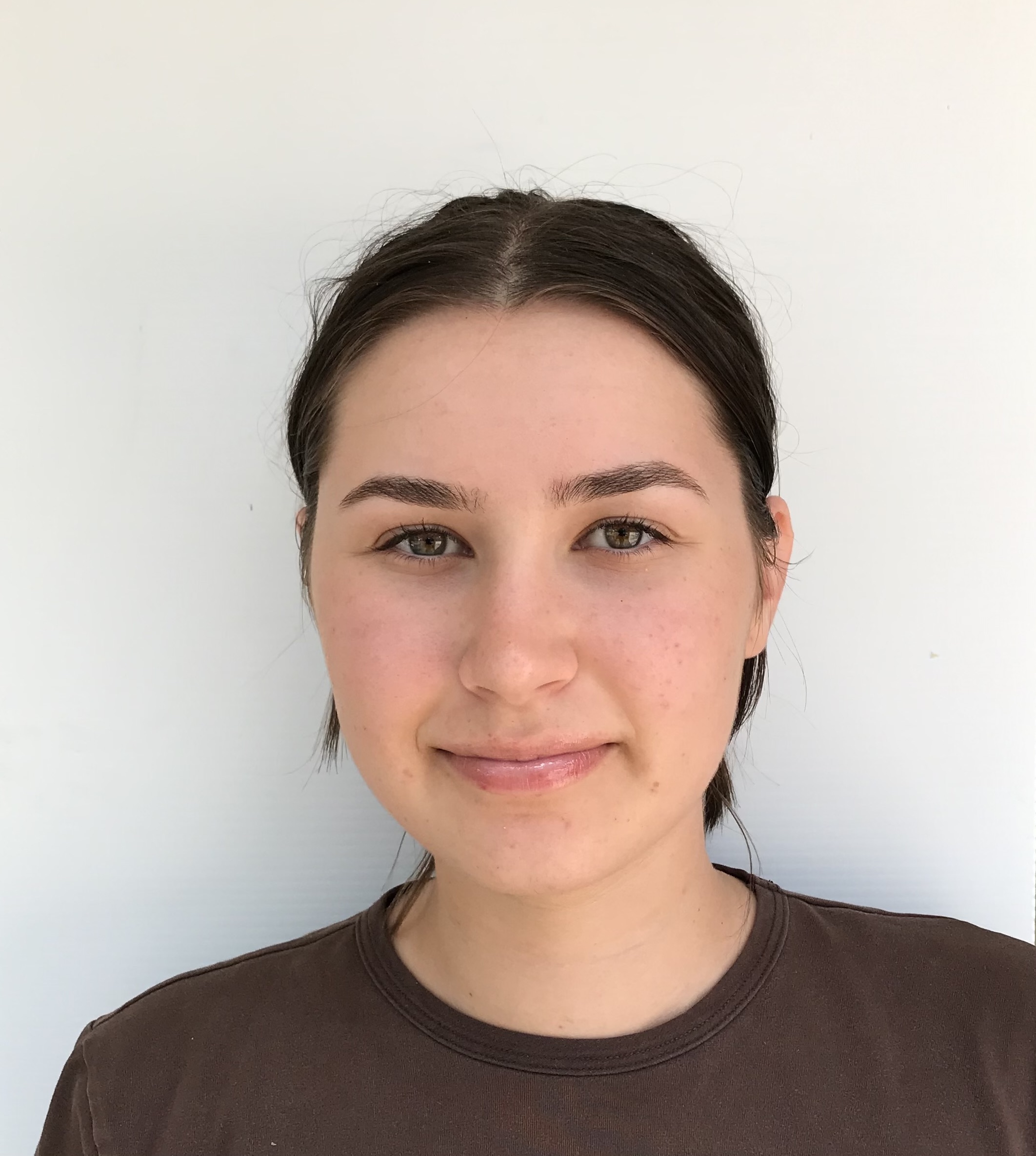
Role: Participant Expert
Maddy is a third year Bachelor of Biomedicine student at the University of Melbourne, majoring in pathology. She plans to pursue postgraduate studies in Medicine and complete her Doctor of Medicine.
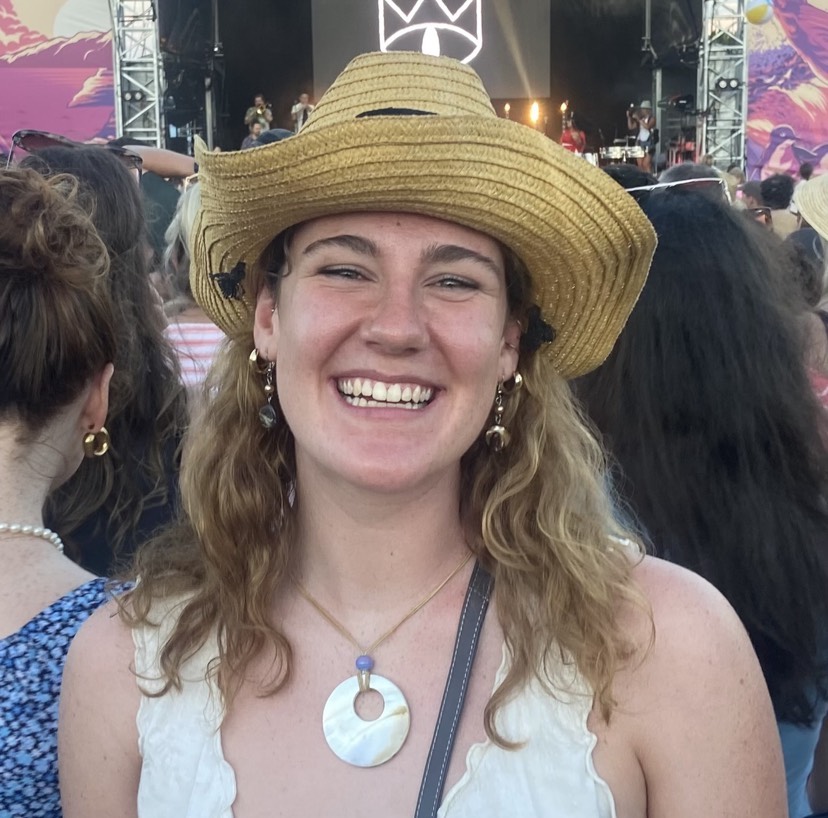
Role: Participant Expert
Laura is a third year Bachelor of Arts student at the University of Melbourne, majoring in psychology. She is interested in exploring a career in educational development and aspires to become a clinical child psychologist.

Role: Technical Expert
El is a first year Masters of Professional Psychology student at the University of Melbourne. El is interested in working with children and young people, and has experience in neuroimaging, semi-structured interviews, cognitive testing and participant recruitment.

Role: Technical Expert
Anna completed her Honours in Psychology at the University of Melbourne in 2023. She is interested in pursuing a Masters of Clinical Psychology and becoming a clinical psychologist.
We are seeking participants who:
Yes, you will be reimbursed $150 for each session of your participation.
Yes, your participation is completely voluntary. You do not have to participate if you do not want to, and you can stop participating at any time. However, data that has been processed and de-identified cannot be withdrawn. That data will not be tied to your identity.
Yes, the MRI scanner is completely safe. It is a large magnet that takes images of the brain without using radiation or X-rays.
The scanner does involve exposure to a powerful magnetic field, so you are not allowed to bring any metal objects into the scanner. We will conduct thorough checks to ensure that you are safe to enter the scanner. During the scan, we will check in with you regularly to make sure that you are feeling safe and comfortable.
All data will be stored on secure servers at the Melbourne Neuropsychiatry Centre and University of Melbourne High Performance system. Access to these data will be available to named, password-carrying researchers only. In the long-term, non-identifiable data from this study will be stored indefinitely and only made available to external investigators for use in research projects.
If you have any questions about the study or would like to express interest in participating, please contact us:
Research Team: Affective Neuroscience and Development Lab
Email: ANDlab.unimelb@gmail.com
Principal Investigator: Dr. Sarah Tashjian
Email: sarah.tashjian@unimelb.edu.au
Instagram:
ANDlab.unimelb
Facebook:
AND-Lab